When families in Oakland begin the search for memory care for a loved one, safety is often the first and most visible concern. Secure entrances, monitored courtyards, and alarmed doors provide essential peace of mind. However, true quality memory care extends far beyond these basic security measures. A truly exceptional program is built on a foundation of philosophy, personalized engagement, and specialized staff training that nurtures the person behind the diagnosis. For Oakland families, evaluating these deeper elements is critical to finding a community where a loved one with Alzheimer's or another form of dementia can truly thrive, not just be kept safe.
Understanding the Guiding Philosophy of Care
The most profound difference between adequate and exceptional memory care lies in its underlying philosophy. This is the "why" behind every interaction and activity. Before you even tour a community, inquire about their core care model. Is it person-centered care? Do they utilize validation therapy or a Montessori-inspired approach? The philosophy should be clearly articulated by staff at all levels, from the director to the caregivers. In Oakland, with its diverse cultural tapestry, a strong philosophy also embraces cultural competency, understanding how a resident's background, life history, and personal preferences shape their experience of dementia.
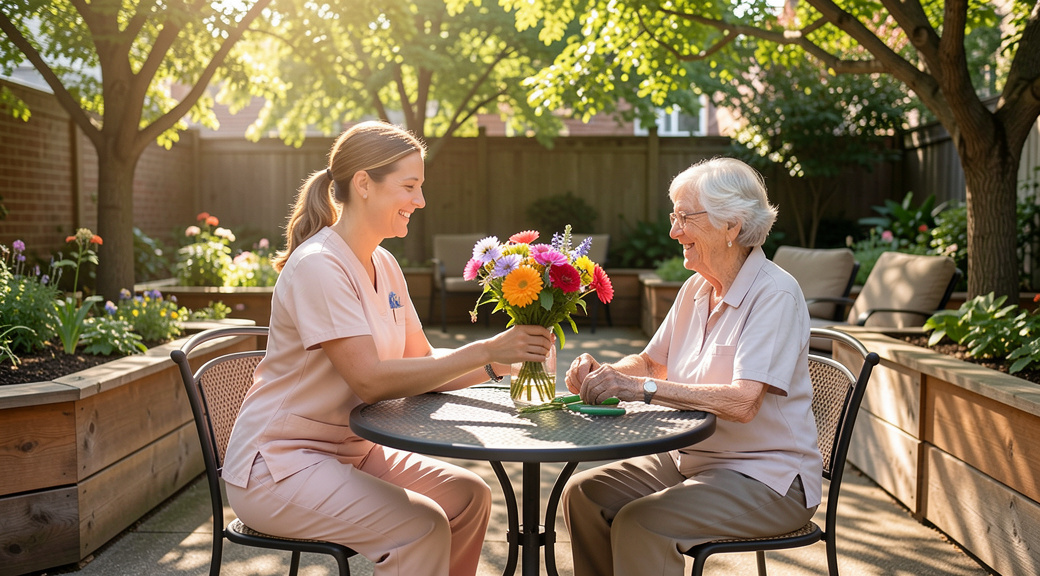
A person-centered philosophy means care plans are not one-size-fits-all routines but are dynamically built around the individual. This involves a deep-life history assessment that goes beyond medical charts to capture a resident's former occupation, hobbies, family life, favorite foods, and important life stories. This information is then actively used to guide daily interactions. For example, a former gardener might find profound comfort in tending to raised planters in a secure courtyard, while a former teacher might be gently engaged in helping "tutor" during a reading group. The goal is to reduce anxiety and challenging behaviors by connecting to remaining skills and fostering a sense of purpose, which is a cornerstone of quality memory care programs in Oakland and beyond.
Evaluating Staff Expertise and Engagement
Security features are static; the staff are the dynamic, living heart of any memory care neighborhood. Their training, temperament, and ratios directly determine the quality of life for residents. When visiting a community, observe not just what the staff are doing, but how they are doing it. Look for warm, respectful, and patient interactions. Do caregivers address residents by their preferred names and make eye contact? Do they explain what they are doing, even if the resident may not fully understand? This dignified communication is a key indicator of specialized training.
Beyond observation, ask specific questions about training and staffing. Inquire about ongoing dementia-specific education. Do caregivers receive regular training on topics like communication techniques, managing sundowning, or de-escalation strategies? What is the staff-to-resident ratio during the day, evening, and overnight? A lower ratio often allows for more personalized attention and proactive care. Also, ask about staff tenure. Communities with lower turnover often have more experienced, consistent teams who build trusting relationships with residents, which is incredibly stabilizing for someone with memory loss. This level of staffing expertise is a critical factor to assess alongside practical considerations, like those found in our Checklist for Touring Senior Living Communities in Oakland.
The Importance of Life Enrichment and Meaningful Activities
A calendar full of generic "activities" is not the same as a robust life enrichment program tailored for dementia. The latter is purposeful, flexible, and designed to engage residents at their current ability level while tapping into implicit memory and remaining strengths. During your evaluation, ask to see the activity calendar, but more importantly, ask about the intent behind the programs. Look for a mix of cognitive, physical, social, and sensory stimulation.
Exceptional programs move beyond bingo and crafts to include things like music therapy (highly effective for memory recall), gentle chair yoga adapted for mobility, cooking groups that stir familiar smells, or simple household tasks like folding laundry that provide a sense of contribution. Programs should also honor Oakland's local culture, perhaps through outings to view Lake Merritt (if safely accommodated), enjoying live Bay Area jazz, or discussing local history. The focus should be on the process and enjoyment, not the end product. For a deeper dive into this topic, our resource on Memory Care Activities That Improve Quality of Life offers more detailed examples. A key question to ask is how the staff individualizes participation. Do they have alternative ways to engage a resident who may not want to join a group activity?
Assessing the Physical Environment for Wellness
The design of a memory care unit should do more than prevent wandering; it should promote orientation, independence, and calm. This is often called a "dementia-friendly" design. As you walk through the space, look for clear, visual cues. Are hallways short and easy to navigate? Are there distinct landmarks, like a unique piece of art or a comfortable bench, at decision points? Are bedroom doors personalized with memory boxes containing familiar items to help residents identify their own room?
Lighting is another crucial, often overlooked, element. Natural light helps regulate sleep-wake cycles, so look for ample windows and sunrooms. Assess the noise level: is the environment overly loud with blaring TVs or paging systems, or is it generally peaceful with soft, familiar background music? The layout should also encourage social interaction in small, intimate seating areas, not just large, overwhelming common rooms. Outdoor access to a secure, engaging garden or patio is non-negotiable for wellness, allowing for fresh air, sunlight, and nature therapy. In Oakland's mild climate, this should be a usable space year-round.
Family Communication and Partnership
A transparent and proactive communication strategy with families is a hallmark of a trustworthy memory care program. You are not just placing your loved one in their care; you are entering a partnership. Understand the protocols for routine updates and emergency communication. Is there a primary point of contact? How often are formal care plan meetings held to reassess your loved one's needs? Do they use a family portal for updates, or send regular newsletters?
Beyond logistics, evaluate how the community views family involvement. Are families encouraged to visit frequently and participate in activities or meals? Do they host support groups or educational workshops for families? A community that actively supports the entire family unit recognizes that dementia care is a shared journey. This collaborative approach is essential for navigating the complexities of senior living in Oakland, CA.
Key Questions to Ask During Your Tour
To move beyond a surface-level understanding, come prepared with questions that probe the depth of the program. Use these inquiries during your tours to compare communities effectively. Focus on scenarios and philosophies rather than yes/no answers.
- Can you walk me through a typical day for a resident, from wake-up to bedtime? (Listen for routine, choice, and personalized engagement.)
- How do you handle a resident who is anxious, refuses care, or experiences sundowning? (Look for specific, non-pharmacological intervention strategies.)
- How are dining experiences managed for residents with different abilities? (Are there adapted utensils, finger foods, and staff assistance in a dignified manner?)
- What is your process for developing and updating an individual care plan? (It should involve family input and be regularly reviewed.)
- How do you support residents through the later stages of dementia? (This tests their commitment to aging in place with appropriate care.)
Following your tour and after asking these questions, take time to reflect. Trust your instincts about the atmosphere and the sincerity of the staff's responses. The right memory care community in Oakland will feel like a place of respect, activity, and compassion, where security enables living, rather than defines it.
Choosing memory care is one of the most significant decisions a family will make. By looking beyond secured doors to evaluate the living philosophy, staff heart, and daily rhythm of life, you can find a community in Oakland that offers not just safety, but genuine well-being for your loved one. This deeper evaluation ensures their days are filled with moments of connection, purpose, and comfort, honoring the person they have always been.